Prince Dies and the World Loses Its Mind
Prince died at 57, alone in an elevator at Paisley Park. The world lost one of the greatest musicians who ever lived, and the opioid crisis finally got the spotlight it deserved.
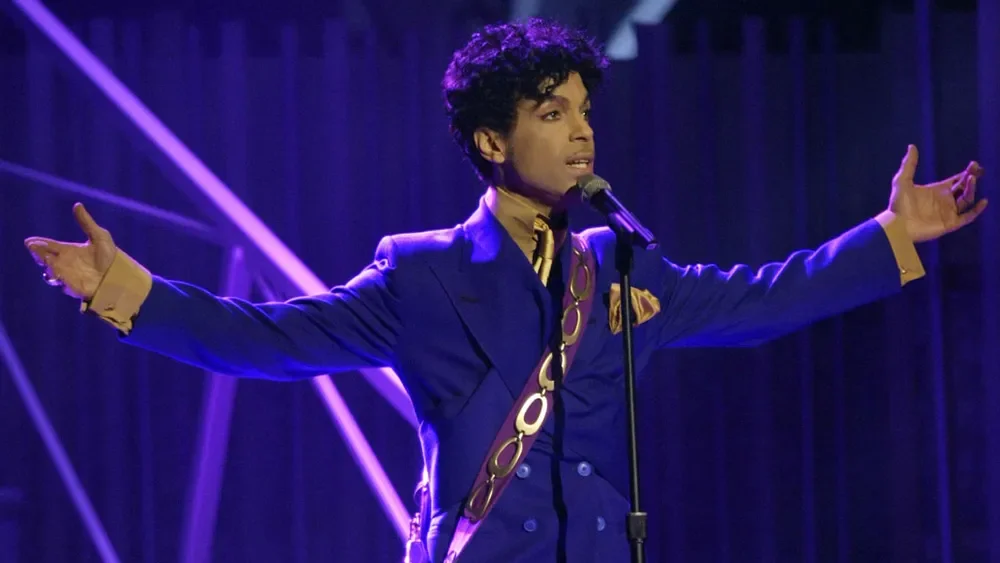
📍 Quick Facts
- Date:
- April 21, 2016
- Category:
- Music
- Tags:
- deathmusiclegend
The Story
April 21, 2016. Emergency responders arrived at Paisley Park in Chanhassen, Minnesota. Prince Rogers Nelson was found unresponsive in an elevator. He was 57.
The news broke mid-morning and the world stopped. Not David Bowie stopped. Not celebrity-died-too-young stopped. Genuinely stopped. Because Prince was Prince. He was still touring. Still making music. Still doing surprise shows. Still being Prince in all his purple glory.
The details that emerged made it worse. He'd been fighting chronic pain for years from decades of high-intensity performances in heels. He'd become dependent on painkillers. The week before his death, his plane made an emergency landing and he was hospitalized for a suspected overdose, though his team claimed it was just the flu.
On April 21, he was alone at Paisley Park. The fentanyl in his system was at a lethal level. Whether it was intentional or accidental, whether he knew how strong it was, became questions nobody could fully answer. What was clear: one of the greatest musical geniuses of all time died from opioid painkillers.
The outpouring was immediate and global. Buildings around the world lit up in purple. Radio stations played Prince all day. The Revolution performed an impromptu memorial concert. Thousands gathered outside Paisley Park. At the BET Awards, performers from every generation paid tribute.
The Minnesota Twins changed their stadium lights to purple. Target Field's jumbotron played "Purple Rain" to a crowd of crying baseball fans. The whole Minneapolis area went into mourning because Prince wasn't just from Minneapolis. He was Minneapolis.
Cultural Impact
Prince's death forced America to confront its opioid crisis. Here was a global superstar, rich and famous and beloved, who died the same way thousands of regular people were dying. The conversation about prescription painkillers and addiction shifted. If it could happen to Prince, it could happen to anyone.
The music industry lost one of its true originals. Prince controlled his masters, fought record labels, changed his name to a symbol, and basically rewrote the rules for artist ownership and creative control. His battles with streaming services and record companies became blueprints for artist independence.
His death also sparked the revelation that he had a vault with thousands of unreleased songs. Albums' worth of music that might never see proper release. It became a cultural obsession, the mystery of what was in Prince's vault, what we'd lost access to forever.
The Internet's Reaction
Social media turned purple. Literally. Profile pictures changed. Purple Rain emojis appeared in every bio. The hashtag #PurpleRain trended for days. Videos of his live performances got shared millions of times.
That clip of his Rock & Roll Hall of Fame performance where his guitar solo absolutely destroys everyone went mega-viral. New audiences discovered why Prince was considered one of the greatest guitarists who ever lived.
Stories emerged about Prince's secret generosity, paying medical bills for strangers, funding music education programs without publicity. The picture of Prince that emerged after his death was somehow even more impressive than when he was alive.
Musicians shared tour stories, studio stories, chance encounters with Prince. Everyone had a Prince story, and suddenly everyone was sharing them. The narrative that formed was of an absolute perfectionist, a musical genius, and weirdly, a really funny person who loved basketball and pancakes.
Legacy
Prince's death changed how we talk about chronic pain, prescription drugs, and addiction. The opioid crisis became impossible to ignore when it took one of music's titans. His death contributed to policy changes around prescription practices and fentanyl regulation.
Paisley Park became a museum and pilgrimage site. His music saw renewed appreciation, though streaming it remains complicated because Prince was stubborn about digital rights even in death. The vault slowly releases material, each new discovery treated like archaeological treasure.
His influence on music, fashion, gender expression, and artist rights remains incalculable. He proved a Black man from Minnesota could become one of the biggest stars on Earth without compromising his vision. He showed that protecting your art matters. And he left a hole in music that nobody has filled and probably never will.
Share This Event
Remember this? Share it with friends!