Stranger Things Premieres
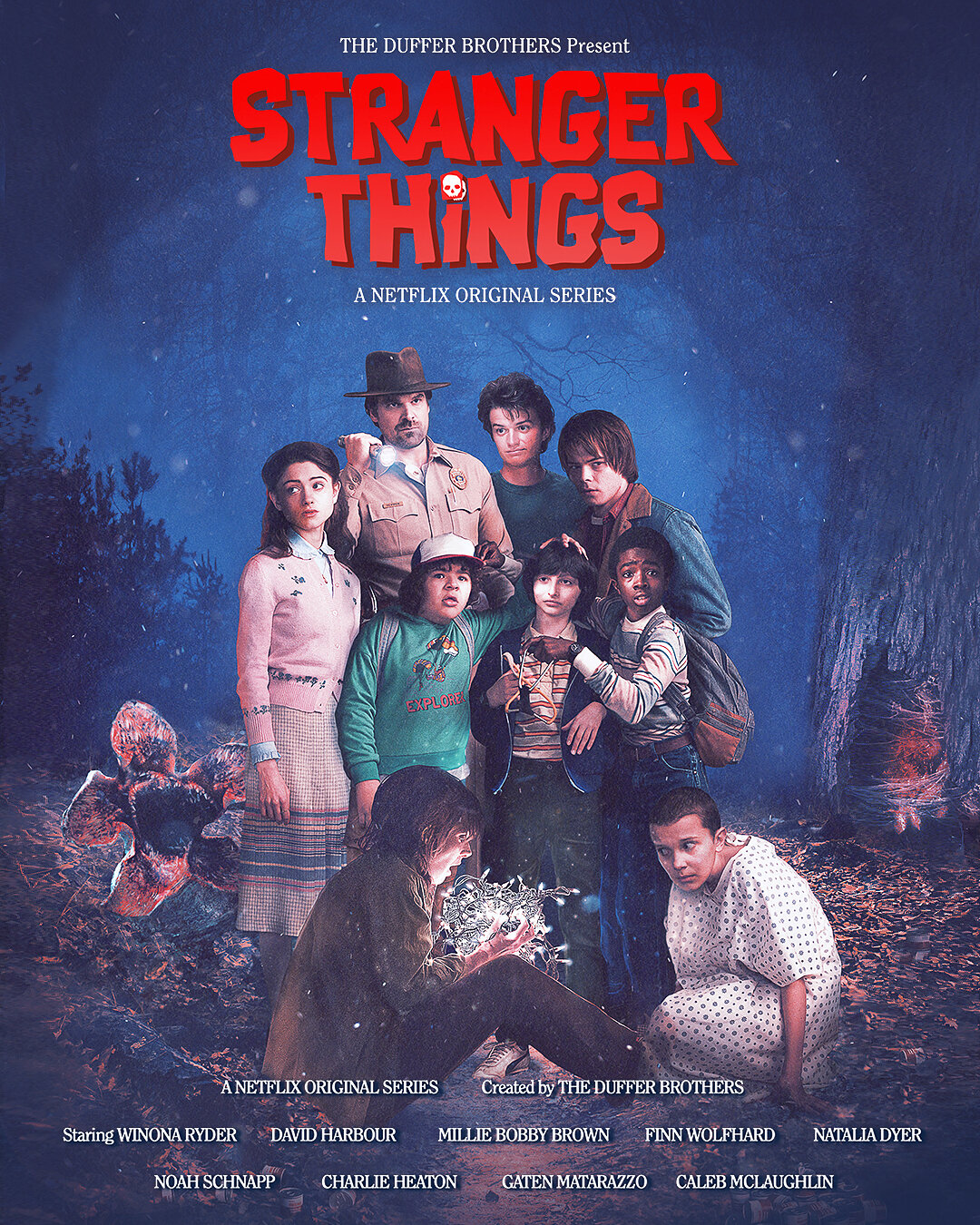
Netflix's Stranger Things appeared with little fanfare and became an instant cultural phenomenon. '80s nostalgia, Dungeons & Dragons, and a girl with telekinetic powers captured the world's imagination.
📍 Quick Facts
- Date:
- July 15, 2016
- Category:
- Other
- Tags:
- tvnetflix80shorror
The Story
July 15, 2016. Netflix released all eight episodes of Stranger Things. The Duffer Brothers created it. A small budget. Low expectations. No marketing blitz. Just dropped on the platform. Within weeks it was everywhere.
The show was an '80s love letter. Set in 1983 Hawkins, Indiana. A small town. Quiet. Until Will Byers disappeared. His friends—Mike, Dustin, Lucas—searched for him. On bikes. With walkie-talkies. Like Goonies. Like E.T. The nostalgia was immediate.
Then Eleven appeared. A girl with a shaved head. Telekinetic powers. Escape from a government lab. She knew about Will. About the monsters. About the Upside Down. Millie Bobby Brown was 12. Her performance was extraordinary. Barely any dialogue. All emotion. All intensity.
The Upside Down was terrifying. A parallel dimension. Dark. Decaying. The Demogorgon lurked there. A faceless monster. Hunting. The horror was genuine. Not gratuitous. Earned. The show balanced scares with heart perfectly.
Winona Ryder played Joyce, Will's mother. Her comeback role. She was frantic. Desperate. Communicating through Christmas lights. The performance was manic. Committed. Ryder reminded everyone why she was a '90s icon.
The soundtrack was synthesizers. Kyle Dixon and Michael Stein. Evocative. Eerie. Nostalgic. The main theme became instantly recognizable. The music was a character.
References were everywhere. Spielberg films. Stephen King novels. John Carpenter movies. Dungeons & Dragons terminology. The show wore its influences proudly. Never derivative. Always respectful.
The kids were perfect. Gaten Matarazzo (Dustin) with his cleidocranial dysplasia, making it part of his character. Finn Wolfhard (Mike) as the leader. Caleb McLaughlin (Lucas) as the skeptic. Their chemistry was real. Believable. These were actual kids. Not sitcom children.
Steve Harrington started as the jerk boyfriend. Joe Keery made him lovable. The character development through the season was unexpected. Beautiful. By the end, Steve was protecting the kids with a nail-studded bat. Iconic.
Barb died in episode 3. Became the show's biggest meme. #JusticeForBarb. She was Nancy's best friend. Forgotten quickly by characters. Mourned intensely by fans. The disparity was noted. Became a cultural touchstone.
By August, Stranger Things was the most talked about show. "Have you watched Stranger Things yet?" replaced "How are you?" as a greeting. The binge was universal. The obsession complete.
Cultural Impact
Stranger Things proved '80s nostalgia was commercially massive. The decade's aesthetic. The music. The movies. All resurrected. Fashion trends followed. Tracksuits. High-waisted jeans. Windbreakers. The '80s were back.
The show's grassroots success demonstrated Netflix's power. No traditional TV schedule. No network interference. No commercials. Just release and let word-of-mouth work. The model was validated spectacularly.
"Binge-watching" became mainstream behavior. Water cooler conversations changed. Spoilers were immediate danger. Eight episodes in a weekend was normal. TV consumption transformed.
Child actors became megastars overnight. Millie Bobby Brown especially. She was 12. Suddenly on magazine covers. Talk shows. Fashion shoots. The kids handled fame remarkably well. Became role models.
D&D experienced a renaissance. The game was central to the show. Demogorgon was a D&D monster. Suddenly D&D was cool. Sales increased. New players emerged. The hobby was revitalized.
Halloween 2016 was Eleven wigs and bloody noses. The costume was simple. Effective. Instantly recognizable. "Eggo" waffle sales probably increased. The cultural penetration was total.
The show made synthesizer music cool again. The soundtracks sold. The style influenced other media. Retrowave. Synthwave. The '80s sound resurrected.
The Internet's Reaction
Social media exploded. Twitter threads analyzing theories. Reddit discussions dissecting every frame. Facebook groups formed. The online community was passionate. Engaged. Theorizing about Season 2 before Season 1 finished.
Critics loved it. 95% on Rotten Tomatoes. Praise was near-universal. Comparisons to Spielberg. To Stephen King. The Duffer Brothers were anointed as television's next visionaries.
#JusticeForBarb became massive. Shannon Purser played her in two episodes. The character's death and abandonment by other characters sparked outrage. Genuine outrage. For a supporting character. The attachment was real.
Millie Bobby Brown became an icon immediately. Her shaved head inspired others. Her portrayal of trauma. Of power. Of vulnerability. At 12 years old. The performance was studied. Celebrated. She was everywhere.
Winona Ryder's comeback was celebrated. She'd been away from major roles. Stranger Things reminded everyone of her talent. The "Winona Forever" tattoo jokes resurfaced. Her career was revitalized.
Finn Wolfhard blew up. The Canadian kid became a heartthrob. Teen magazines. Posters. The attention was intense. He handled it with maturity.
Joe Keery's Steve became a fan favorite. The evolution from jerk to hero. The hair. The bat. "Steve the Babysitter" wasn't even his arc yet. That came Season 2. But the foundation was laid.
Celebrities admitted binge-watching. Stephen King praised it. Spielberg watched it. The endorsements from the inspirations. Meta. Perfect.
Legacy
Stranger Things became a franchise. Four seasons (and counting). Merchandising everywhere. Video games. Books. Comics. The IP expanded massively. Netflix's biggest original hit.
The Duffer Brothers became A-list showrunners. Their career launched completely. The success gave them creative freedom. Power. Influence.
'80s nostalgia became entertainment's dominant trend. Every studio wanted "the next Stranger Things." Shows like The Goldbergs gained viewership. Film reboots accelerated. The decade's aesthetic dominated media.
The kids' careers launched. Millie Bobby Brown: Enola Holmes franchise. Godzilla films. UN ambassador. Finn Wolfhard: It films. Music career. Gaten Matarazzo: Broadway. They all succeeded beyond the show.
Netflix's power was confirmed. Original content could compete with traditional studios. The binge model worked. The platform could create cultural phenomena. Stranger Things proved it.
D&D's resurgence persisted. Critical Role gained popularity. D&D became mainstream. Nerd culture was fully mainstream now. Stranger Things accelerated that.
Horror-nostalgia became a genre. Mixing scares with sentimentality. It Follows. It (2017). Haunting of Hill House. The formula was replicated.
July 15, 2016. Eight episodes. Low expectations. Within a month, Stranger Things was a phenomenon. '80s nostalgia. Lovable kids. A terrifying monster. A parallel dimension. And Eleven—the telekinetic girl who barely spoke but said everything. The show defined summer 2016. Launched careers. Revived genres. Proved Netflix's model. And made everyone want Eggo waffles. Mouth breather.
Share This Event
Remember this? Share it with friends!