Overwatch Launches
Blizzard launched Overwatch, a team-based hero shooter with colorful characters and addictive gameplay. It became an instant esports phenomenon. Play of the Game. Heroes never die. It's high noon.
📍 Quick Facts
- Date:
- May 24, 2016
- Category:
- Gaming
- Tags:
- gamingblizzardmultiplayer
The Story
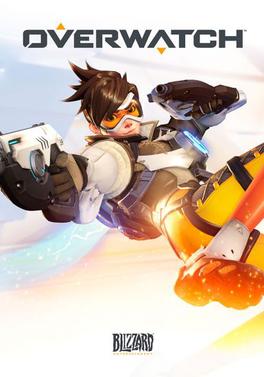
May 24, 2016. Blizzard Entertainment released Overwatch. A team-based first-person shooter with hero-based gameplay. The concept was polished perfection. The game featured diverse heroes. Tracer. Mercy. Soldier 76. Reinhardt. Each with unique abilities. The roster was brilliantly designed. Every hero felt different. The gameplay loop was addictive. Six versus six. Attack. Defend. Escort. Capture. The modes were simple but competitive. The skill ceiling was high. The art style was vibrant and welcoming. Colorful. Expressive. The opposite of gritty military shooters. The inclusivity appealed. The game exploded in popularity. Over 7 million players in the first week. The servers held up. Blizzard's infrastructure proved solid. The Play of the Game feature was genius. End-of-match highlights showing best moments. Everyone wanted their spotlight. The clips became social media content. The voice lines became iconic. It's high noon. Justice rains from above. Heroes never die. The catchphrases entered gaming culture. The characters became beloved. Tracer became the face of the game. Her cheerful energy. Her butt pose controversy. The character redesign debate was wild. The shipping culture was intense. Overwatch fans created relationship pairings. Pharah and Mercy. Genji and Mercy. The fanart was endless. And varied. The competitive scene emerged immediately. Tournaments. Prize pools. Professional teams. Overwatch League launched later, but 2016 showed the potential. The game won Game of the Year at multiple outlets. The critical acclaim was universal. Blizzard had another hit. The Halloween event set the seasonal content template. Limited-time skins. Special modes. The FOMO was real. The loot box controversy began. Cosmetic items locked behind RNG. The monetization model was questioned. But players bought anyway.
Cultural Impact
Overwatch revitalized the hero shooter genre. Team Fortress 2 established it. Overwatch perfected it. The influence was immediate. The game's diversity was genuinely progressive. LGBTQ characters. Different ethnicities. Body types. Abilities. Representation mattered. The community responded positively. The esports legitimacy helped gaming's mainstream acceptance. Overwatch League had city-based teams. Traditional sports model. That structure brought new audiences. The loot box model influenced industry-wide monetization debates. Are they gambling? Should they be regulated? Overwatch sparked those conversations. The Play of the Game feature influenced game design. Highlighting player achievements became standard. The ego boost was powerful retention. Overwatch's characters became pop culture icons. Tracer in crossovers. D.Va memes. The roster transcended the game. The toxic positivity culture emerged. Stay positive. Good teamwork. But also tilting. Throwers. The community's duality was stark.
The Internet's Reaction
Gaming communities embraced Overwatch immediately. The gameplay was too good to ignore. Even non-FPS players jumped in. Streamers and YouTubers created massive content libraries. Gameplay. Guides. Highlights. The content was endless. Blizzard fans celebrated. After Titan's cancellation, this was redemption. The game was born from failure's ashes. The Play of the Game clips flooded social media. Reddit dedicated threads. Twitter highlights. The sharing was constant. Competitive players found depth. The strategy. The team composition. The meta evolved constantly. Casual players appreciated accessibility. You didn't need FPS skills. Pick a support. Help the team. Fun for everyone. Critics pointed to loot box problems. Overwatch popularized problematic monetization. The cosmetics felt necessary. Halloween skins became must-haves. The FOMO was engineered. Fanartists went wild. The characters inspired creativity. The volume of content was staggering. Some inappropriate. The Rule 34 was instant. The shipping wars were intense. Who belongs with whom? The debates were passionate and sometimes toxic.
Legacy
Overwatch is a landmark game. Its impact on shooters is permanent. Every hero shooter since owes it a debt. The game's early dominance faded. Competitors emerged. Apex Legends. Valorant. But Overwatch set the standard. The Overwatch League proved esports viability. Traditional investment poured in. The model influenced industry structure. The game's inclusivity pushed the industry forward. Representation became expected. Overwatch normalized it. The loot box controversy led to regulation. Countries banned them. The industry changed practices. Overwatch was the catalyst. The characters remain iconic. Years later, they're still recognized. That's rare in gaming. Most importantly, Overwatch showed Blizzard could create new IPs successfully. Not just sequels. Original worlds. Original characters. The creativity was rewarded. In 2016, Overwatch was the game. Play of the Game moments. Ultimate voice lines. Teamwork. The experience was peak gaming. Heroes never die. That includes the game's legacy.
Share This Event
Remember this? Share it with friends!