Brexit Vote
The United Kingdom voted to leave the European Union. The world was shocked. 'Leave' won 52% to 48%. Brexit became reality. Britain's future changed forever. Europe reeled.
📍 Quick Facts
- Date:
- June 23, 2016
- Category:
- Politics
- Tags:
- politicsukeu
The Story
June 23, 2016. The United Kingdom voted. The question: Should the UK remain in the European Union or leave? The referendum that would change history. Change Britain. Change Europe. The turnout was massive. 72.2%. Over 33 million votes cast. The nation was divided. Passionately. Angrily. Hopefully. Fearfully.
The campaign was brutal. "Remain" argued for stability. Economic benefits. European cooperation. Peace. The establishment backed Remain. David Cameron's Conservative government. Labour leadership. Most businesses. Most economists. President Obama even weighed in. "Back of the queue" for trade deals if Brexit won.
"Leave" argued for sovereignty. Control. Immigration limits. Independence. The populist energy. Boris Johnson led the charge. Nigel Farage's UKIP pushed hard. "Take Back Control" was the slogan. Simple. Powerful. Effective.
Immigration dominated debate. The refugee crisis. Syrian migration. EU freedom of movement. Leave promised to "take back control of our borders." The message resonated. Especially in areas with manufacturing decline. In forgotten towns. Among those who felt left behind by globalization.
The famous bus. Red. Massive letters. "We send the EU £350 million a week. Let's fund our NHS instead." The claim was false. Repeatedly debunked. It didn't matter. The bus toured. The message stuck.
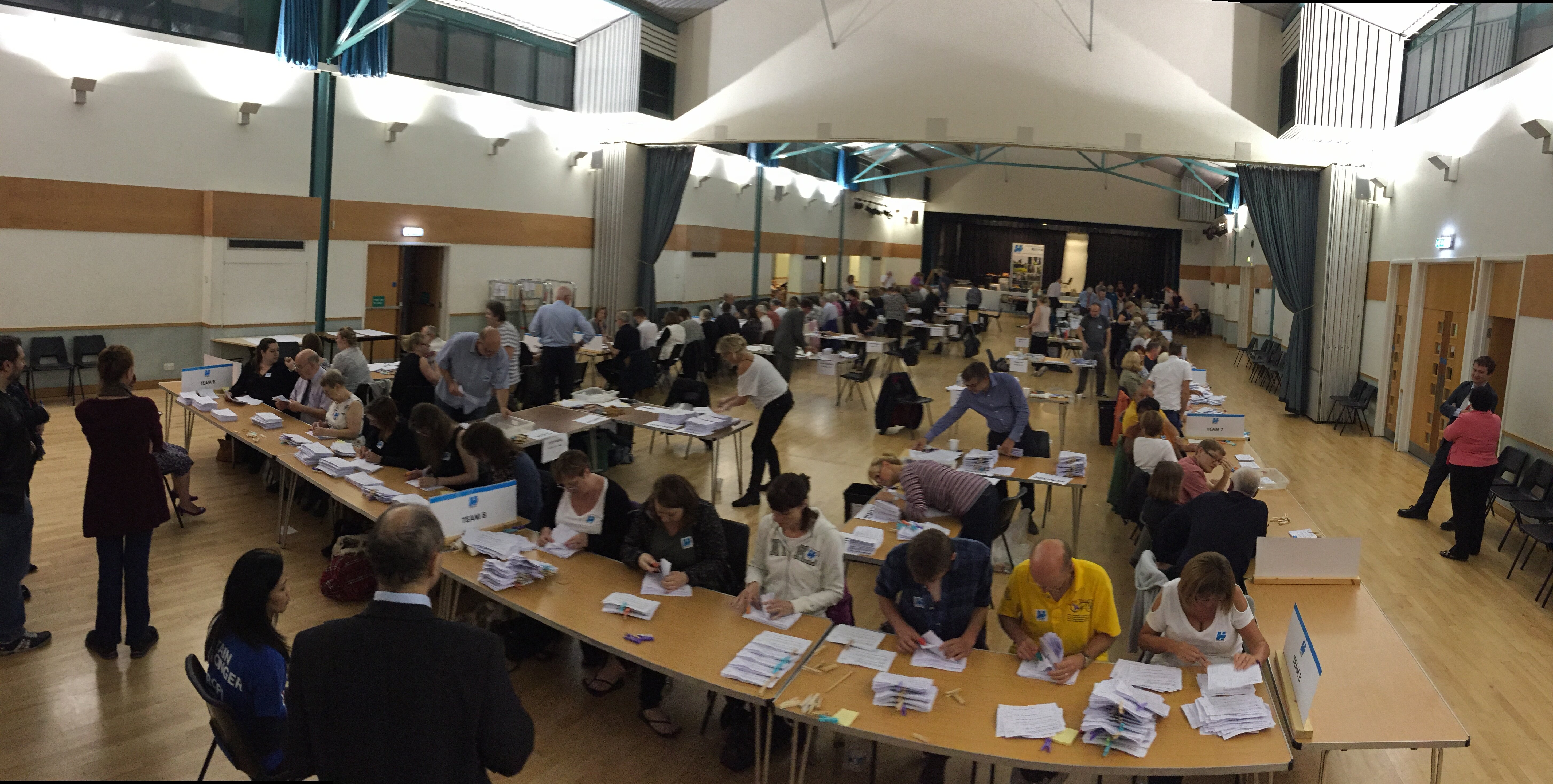
June 23. Polls closed. Counting began. Early results favored Remain. London voted Remain heavily. Scotland voted Remain overwhelmingly. But then the other results came. England's towns and countryside. Wales surprisingly strong for Leave. Nigel Farage conceded early. Thought they'd lost. Then changed his mind.
By 4 AM, the trend was clear. Leave was winning. Financial markets reacted. The pound plummeted. Fell to 31-year low against the dollar. Stock markets prepared for chaos.
David Dimbleby on BBC: "The British people have spoken and the answer is: we're out."
Leave won. 51.9% to 48.1%. 17.4 million to 16.1 million. 1.3 million vote difference. The UK would leave the European Union after 43 years of membership.
The shock was global. World leaders scrambled. European Council scheduled emergency meeting. In Britain, the division was stark. Jubilation. Despair. Anger. Fear. All at once. The country fractured.
David Cameron announced his resignation by morning. He'd called the referendum. Confidently expected to win. Lost. His political career was over. "I will do everything I can as prime minister to steady the ship over the coming weeks and months, but I do not think it would be right for me to try to be the captain that steers our country to its next destination."
The aftermath began immediately. Scotland's Nicola Sturgeon called for new independence referendum. Northern Ireland's status uncertain. Gibraltar panicked. Youth voters were furious—62% of under-25s voted Remain. Their future decided by older voters. The generational divide was bitter.
Google searches for "What is the EU?" spiked. After the vote. The realization that many Leave voters didn't fully understand what they'd voted for. Or didn't believe Leave would actually win. "Regrexit" became a term.
Cultural Impact
Brexit redefined British politics. The two-party system cracked. Labour split between pro-EU membership and accepting Brexit. Conservatives split between moderate Remain Tories and hard Brexiteers. New political alignments formed around Brexit identity rather than traditional left-right.
The word "Brexit" itself entered global lexicon. A portmanteau. British + exit. Modeled after "Grexit" (Greece potentially leaving EU). Now Brexit means any exit. Texit. Calexit. The word spread.
Populism surged. Brexit was evidence populist movements could win. Trump watched. Farage visited Trump. The movements connected. Anti-establishment. Anti-globalization. Pro-"taking back control." The political earthquake rippled.
The EU faced existential questions. If Britain could leave, could others? Would the EU survive? The project was challenged. Debates raged in member states. Far-right parties gained momentum promising their own referendums.
"Expert" became an insult. Michael Gove famously said "people in this country have had enough of experts." The statement encapsulated something: the distrust of institutions. Of elites. Of establishment knowledge. Post-truth politics accelerated.
British identity fractured. What did it mean to be British? English nationalism rose. Scottish nationalism intensified. Irish reunification discussed openly. The Union itself was threatened.
Youth political engagement exploded. Young people felt betrayed. Their future stolen. Many became politically active for first time. The anger was productive for some. Paralyzing for others.
The Internet's Reaction
Remain voters were devastated. Crying on TV. Shock. Disbelief. How had this happened? The polls suggested Remain would edge it. The confidence was shattered.
Leave voters celebrated. Farage's victory speech. Johnson's barely contained glee. The feeling of taking power back. Of being heard finally. The joy was real for them.
Scotland demanded another independence referendum. Nicola Sturgeon was emphatic. Scotland voted Remain overwhelmingly—62%. Being dragged out of EU against their will. The Scottish National Party's momentum increased.
Northern Ireland's position became precarious. The Good Friday Agreement assumed both UK and Ireland in EU. Now what? The border question emerged. Would there be hard border? The peace process was threatened.
European leaders were shocked and angry. Jean-Claude Juncker wanted UK out quickly. No long negotiations. Make an example. Others were more conciliatory. The response was mixed but mostly negative.
The pound collapsed. Financial markets panicked. FTSE 100 dropped. Global markets fell. Economic uncertainty was immediate and real.
Young voters were furious. #NotInMyName trended. Protests in London. University students devastated. Many felt their future was stolen by older generation. The inter-generational conflict was intense.
Racist incidents increased. Emboldened by the Leave vote, some interpreted it as license for xenophobia. EU citizens in UK reported harassment. "Go home" graffiti. The ugliness emerged.
Americans watched nervously. Trump called Brexit "a great thing." Clinton warned against similar populism. The U.S. election was months away. Brexit felt like a preview.
Legacy
Brexit dominated British politics for years. Three prime ministers fell because of it. Cameron resigned immediately. Theresa May failed to deliver it, resigned 2019. Boris Johnson won on "Get Brexit Done," resigned 2022 over other scandals but Brexit made him PM.
The withdrawal was painful. Negotiations dragged. "Brexit means Brexit" was meaningless. Hard Brexit. Soft Brexit. Norway model. Canada model. The options were endless. The agreement difficult.
January 31, 2020. The UK officially left. Three and a half years after the vote. The transition period lasted through 2020. The final trade deal came Christmas Eve 2020. Narrow margins. Rushed. Imperfect.
The economic impact is real. Trade barriers with EU. Labor shortages. Supply chain issues. Northern Ireland Protocol complications. The costs accumulated. Whether worth it depends on who you ask. The debate is endless.
Scotland's independence movement strengthened. SNP dominated Scottish Parliament. Referendum demand persists. The Union is less secure than before Brexit.
Northern Ireland remains complicated. The Protocol created border in Irish Sea. Unionists hate it. Negotiations continue. The peace process is stressed.
The EU actually united in response. Brexit made remaining members appreciate membership more. No other state seriously pursued leaving. The exit was cautionary tale.
British politics remains Brexit-defined. "Remainer" and "Leaver" are identities. More powerful than party affiliation for many. The divideheals slowly if at all.
June 23, 2016. The UK voted to leave the EU. The decision shocked the world. Changed Britain fundamentally. Weakened the EU temporarily. Energized populism globally. The reverberations continue. The debates rage. The consequences unfold. Brexit happened. Britain left. Europe continues. Changed. Uncertain. The vote was binary. The outcomes are infinitely complex. The story is far from over.
Share This Event
Remember this? Share it with friends!