Brexit: UK Votes to Leave the European Union
In a referendum that shocked Europe and sent global markets into chaos, the UK voted to leave the European Union. Nobody saw it coming, and the aftermath is still unfolding a decade later.
📍 Quick Facts
- Date:
- June 23, 2016
- Category:
- Politics
- Tags:
- politicsukhistoric
The Story
June 23, 2016. The day the UK decided to hit the self-destruct button. Or save itself from bureaucratic hell, depending on who you ask.
The referendum was supposed to be a formality. Polls showed Remain ahead. The establishment, from David Cameron to Barack Obama, backed staying in the EU. Financial markets were calm. Young people were confident their country wouldn't actually vote to leave a union it had been part of for 43 years.
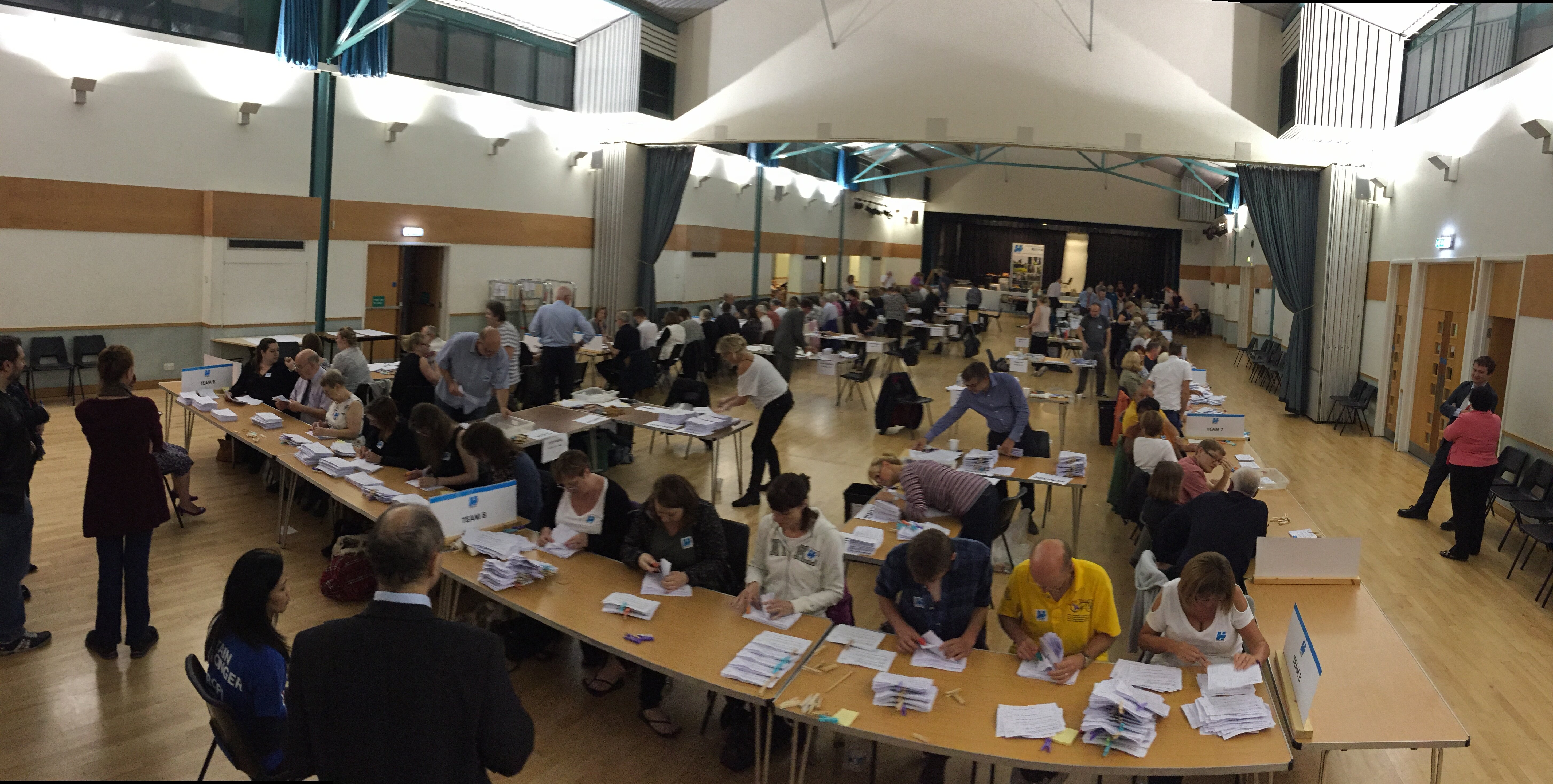
Then the votes came in. By 4 AM London time, it was clear: Leave had won, 52% to 48%. David Cameron announced he'd resign. The pound sterling crashed to its lowest level in 31 years. Scotland's First Minister immediately started talking about a second independence referendum. Northern Ireland suddenly had to consider what an EU border on the island of Ireland would mean.
The vote split the country in ways that are still visible today. London voted Remain. Rural England voted Leave. Young people overwhelmingly wanted to stay. Older voters wanted out. University towns stayed European. Industrial towns that felt abandoned by globalization chose to burn it all down.
Nobody really knew what would happen next because nobody had planned for Leave to win. Article 50, the mechanism for leaving the EU, had never been triggered. The Leave campaign had no actual plan. "Take back control" was a slogan, not a policy. The morning after the vote, top Leave campaigners started backpedaling on promises they'd made just hours earlier.
Nigel Farage, the face of the Leave campaign, admitted the famous "350 million pounds a week to the NHS" claim was basically nonsense. Markets went into freefall. Scotland threatened to veto Brexit. Gibraltar panicked. British expats in Spain suddenly worried about their legal status.
Cultural Impact
Brexit became the political story that wouldn't end. It dominated British politics for years, toppled multiple Prime Ministers, and created new vocabulary (hard Brexit, soft Brexit, no-deal Brexit, backstop, customs union, single market). The vote exposed deep divisions in British society that had been brewing for decades.
It proved that 2016 was the year of political upsets. First Brexit, then Trump. The era of populist movements shocking the establishment had arrived. "Experts" became a dirty word. Polls became suspect. The post-World War II political order started cracking.
The referendum sparked a global conversation about nationalism versus globalism, sovereignty versus cooperation, and whether direct democracy on complex issues actually works. It made "taking your country back" a rallying cry for populist movements worldwide.
The Internet's Reaction
Twitter went absolutely mental. #Brexit trended globally for days. "Bregret" became a thing within hours as some Leave voters claimed they didn't think their vote would actually count. Young people raged at older generations for "ruining their future." Americans watched with a mix of horror and schadenfreude.
Memes flooded the internet. The pound crashing got the GIF treatment. Images of Nigel Farage celebrating became instant reaction images. British people joked about moving to Scotland or Ireland. Europeans changed their Twitter bios to "Still European" in solidarity.
Google Trends showed a massive spike in searches for "What is the EU?" immediately after the vote. Yes, people who just voted on EU membership were Googling what the EU actually was. That stat became emblematic of the whole mess.
John Oliver's Brexit segment went viral. British celebrities expressed devastation. David Beckham's pro-Remain Instagram post got resurfaced as proof that even football couldn't save Britain from itself.
Legacy
Brexit finally happened on January 31, 2020, after years of political chaos, two more Prime Ministers, and countless failed negotiations. The UK is out of the EU, but the debate about whether it was worth it rages on.
The referendum reshaped British politics completely. It killed David Cameron's career, made Boris Johnson Prime Minister (eventually), and destroyed the traditional left-right political divide. You weren't Labour or Tory anymore. You were Leave or Remain.
It proved that major political change could happen through referendums, inspiring similar movements across Europe. It showed that protest votes actually count. Most importantly, it was the warning shot before Trump. If Brexit could happen, anything could happen. And in 2016, anything did.
Share This Event
Remember this? Share it with friends!