Creepy Clown Sightings Begin
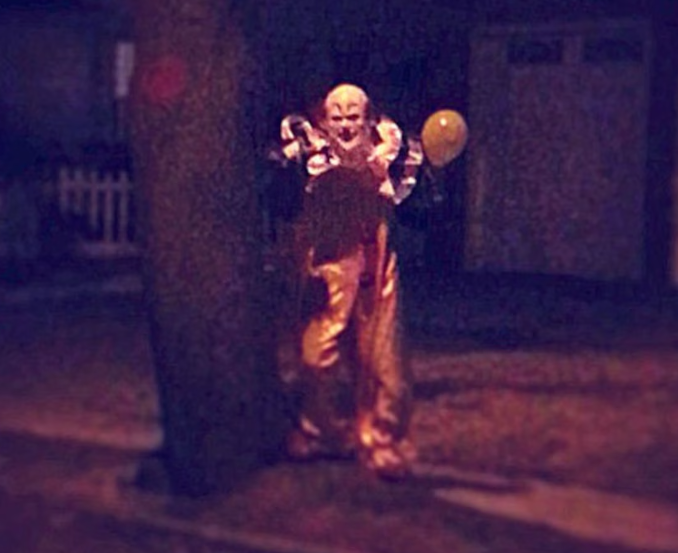
People dressed as creepy clowns started lurking in the woods and on street corners across America. Mass hysteria ensued. Schools closed. Police investigated. Nobody knew what was happening.
📍 Quick Facts
- Date:
- September 1, 2016
- Category:
- Viral
- Tags:
- viralhorrorcreepy
The Story
August 2016. Reports emerged from South Carolina of clowns trying to lure children into the woods. Weird, but South Carolina is weird. Then reports came from North Carolina. Then Georgia. Then everywhere.
By September, clown sightings were being reported in nearly every state. People in creepy clown costumes showing up at schools. Standing on street corners at night. Lurking near playgrounds. Chasing people. Just standing there, watching.
The panic was real. Schools went on lockdown. Police departments issued warnings. Some districts cancelled classes. Parents kept kids home. People bought weapons. The Great Clown Panic of 2016 was in full swing.
Social media made it worse. Every sighting was reported, shared, amplified. Hoaxes mixed with real incidents mixed with mass hysteria. People saw clowns that probably weren't there. Others definitely saw actual clowns because some people are terrible and decided dressing as creepy clowns and scaring people was funny.
Professional clowns suffered. Birthday party bookings dropped. Clown associations issued statements condemning the scary clowns. The entire clown industry (yes, that's a real thing) saw business tank. Some clowns hung up their big shoes permanently.
Stephen King, whose IT had contributed to American clown fear for decades, had to tell people to calm down. When the guy who wrote IT is telling you to chill about clowns, maybe you've gone too far.
Police investigated hundreds of reports. Most were hoaxes or misidentifications. Some were drunk people being idiots. A few were genuinely people trying to terrify communities. Arrests were made. The clown sighters mostly faded by November, though nobody ever figured out who started it or why.
Cultural Impact
The clown sightings showed how social media could turn isolated incidents into mass panic. Each report fed the next. Local news coverage created copycats. The more people talked about scary clowns, the more scary clowns appeared.
It revealed America's deep-seated coulrophobia (fear of clowns). Decades of horror movies, from IT to Killer Klowns from Outer Space, had primed everyone to fear clowns. When they started showing up in real life, the cultural programming kicked in.
The phenomenon also demonstrated how quickly fear spreads online. Parents shared warnings on Facebook. Kids shared sightings on Snapchat and Instagram. Within weeks, the entire country was on clown alert based on mostly nothing.
The Internet's Reaction
Twitter became clown sighting central. Every report was shared hundreds of times. Memes about killer clowns flooded timelines. "Clowns 2016" became shorthand for how weird the year was.
Local news ate it up. "Clowns spotted in YOUR neighborhood" segments became constant. Panic-inducing coverage drove ratings. Never mind that most sightings were unverified or obvious hoaxes.
Some people found it hilarious. Memes about calling in sick because of clowns circulated. Others were genuinely terrified. Children had nightmares. Some adults refused to go out after dark. The fear was irrational but real.
Professional clowns tried to PR their way out of it, posting sad clown pictures and pleading for people to remember clowns are supposed to be fun. It didn't help. The damage was done.
Legacy
The 2016 clown sightings prepared America for the IT remake that came out in 2017, which became a massive hit partly because everyone was already scared of clowns again.
The phenomenon is studied in psychology and sociology courses as an example of mass hysteria and social media amplification. It showed how moral panic spreads in the digital age.
Professional clowning never really recovered. Birthday clowns were already declining, but 2016 was the nail in the coffin for many. The creepy clown became the default clown in popular culture.
Most importantly, the clown sightings were proof that 2016 was just a deeply weird year where anything could happen. Killer clowns on the streets? Sure, why not. At that point, nothing was surprising anymore. The simulation was clearly glitching, and creepy clowns were just another symptom.
Share This Event
Remember this? Share it with friends!