Colin Kaepernick Takes a Knee
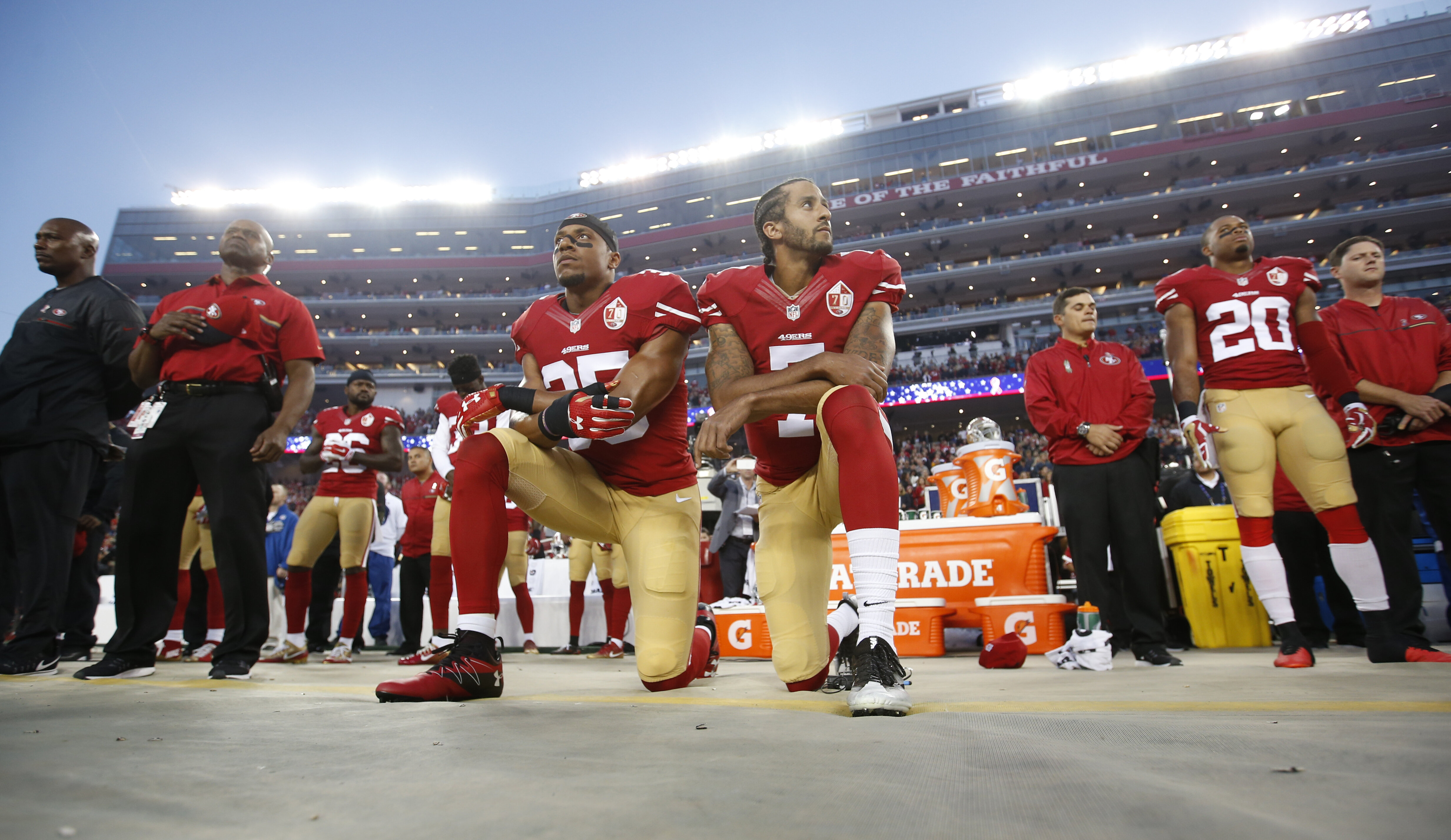
Colin Kaepernick sat during the national anthem. Then knelt. To protest police brutality and racial injustice. The NFL was never the same. America was divided. The gesture sparked a movement.
📍 Quick Facts
- Date:
- September 1, 2016
- Category:
- Sports
- Tags:
- sportspoliticsprotest
The Story
August 26, 2016. NFL preseason game. San Francisco 49ers vs Green Bay Packers. The national anthem played. Colin Kaepernick, the 49ers quarterback, sat on the bench. He didn't stand. Didn't place hand on heart. Just sat. Quietly. A photographer noticed. Tweeted it. The reaction began. Kaepernick explained: "I am not going to stand up to show pride in a flag for a country that oppresses black people and people of color." Police brutality. Racial injustice. His protest was clear. Deliberate. The conversation exploded. Next game, September 1, Kaepernick knelt. After speaking with Nate Boyer, former Green Bay Packers long snapper and Army veteran, who suggested kneeling as more respectful than sitting. Kneeling during anthem. Head bowed. The gesture was solemn. Powerful. Respectful to veterans but protesting injustice. The nuance was lost on many. Support and anger divided America. Sharply. Immediately.
Cultural Impact
The kneel became a movement. Athletes across sports joined. High school players. College teams. International athletes. The gesture spread. Became symbol of protest. Of solidarity. Of resistance. "Take a Knee" entered lexicon. Sports and politics intersected undeniably. The NFL was forced to respond. Owners divided. Some supported. Some condemned. League issued statements. Changed policies. The turmoil lasted years. The American flag's meaning was debated. Patriotism defined differently. What does respecting the flag mean? What does freedom mean? The conversations were necessary. Painful. Unresolved.
The Internet's Reaction
Conservatives were furious. "Disrespecting the flag." "Disrespecting military." "Unpatriotic." The anger was visceral. Real. Death threats followed. Kaepernick's jersey burned. The hatred was intense. Progressives celebrated his courage. Using platform for justice. Risking career for principle. The praise was equally strong. "Hero" vs "traitor." The divide was total. Veterans were split. Some offended. Some supportive. Nate Boyer stood with Kaepernick. Others condemned him. The veteran community wasn't monolithic. Media covered it endlessly. Every angle. Every opinion. Kaepernick interviews. Analyses. The saturation was complete. NFL teammates joined. Eric Reid. Others knelt. Some raised fists. The support grew. Unity in protest.
Legacy
Kaepernick never played in NFL again after 2016 season. Unsigned. Blackballed. The league denied it. The evidence suggested otherwise. His career sacrifice was real. His activism continued. Nike made him face of campaign. "Believe in something. Even if it means sacrificing everything." The ad was controversial. Powerful. Sales increased. The gesture became defining image of Black Lives Matter movement. Protests for racial justice. Sports as platform for change. Kaepernick showed athletes have voice. Can use it. Should use it. The example inspired. George Floyd's murder in 2020. Protests erupted. Athletes kneeled. Kaepernick's 2016 protest was prophetic. Necessary. Ahead of its time. The conversation he started continues. The fight for justice he highlighted continues. The kneel endures. As symbol. As act. As reminder. Athletes are citizens. Sports are political. Justice matters. Colin Kaepernick took a knee. Changed everything.
Share This Event
Remember this? Share it with friends!